Buy islb.eu ?
We are moving the project
islb.eu .
Are you interested in purchasing the domain
islb.eu ?
domain@kv-gmbh.de · 0541-91531010
Buy islb.eu ?
What is the difference between cylinder compressive strength and cube compressive strength?
Cylinder compressive strength and cube compressive strength are both measures of the ability of concrete to withstand compressive forces. The main difference between the two lies in the shape of the specimens used for testing. Cylinder compressive strength is measured using cylindrical specimens, while cube compressive strength is measured using cube-shaped specimens. The choice between the two depends on the specific requirements of the project and the testing standards being followed. **
What are compressive forces and tensile forces?
Compressive forces are forces that act to squeeze or compact an object, causing it to become shorter or more compact. Tensile forces, on the other hand, are forces that act to stretch or pull an object, causing it to become longer or more elongated. Both types of forces are important in understanding how materials respond to external loads and are critical in engineering and structural design. **


Similar search terms for Compressive
Top-Angebote
Products related to Compressive:
-
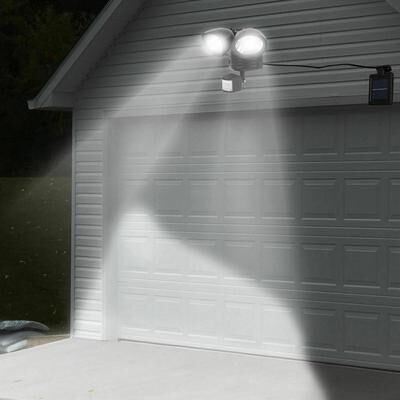
All Categories Goods LED Solar Security Light Dual Motion Sensor Outdoor Floodlight With LED Technology For Energy Efficient Illumination LED Solar Security Light Dual Motion Sensor Outdoor Floodlight With LED Technology For Energy Efficient IlluminationBrighten your outdoor space with the 1 pcs of 22 LED Solar Security Light, designed for maximum visibility and security. Powered by ecofriendly solar energy, this motion sensor floodlight activates when movement is detected, offering both...63,97 $*Shipping: 0,00 $Secure redirect to the provider
-
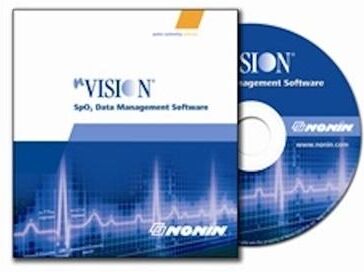
Nonin Medical nVision Data Management Software for Oximetry Screening""" nVision SpO2 Data Management Software Nonin's innovation in pulse oximetry has led to the development of an easy oximetry reporting solution nVISION. Designed to provide effortless viewing, professional analysis, report generation and reliable..."441,00 $*Shipping: 0,00 $Secure redirect to the provider


-
What is the function of a compressive bandage?
A compressive bandage is used to apply pressure to a specific area of the body in order to reduce swelling, control bleeding, and provide support to injured muscles or joints. The pressure from the bandage helps to limit the movement of injured body parts, which can prevent further damage and promote healing. Additionally, compressive bandages can help improve blood circulation and reduce the risk of blood clots. **
-
What is the compressive strength of structural steel?
The compressive strength of structural steel typically ranges from 250 MPa to 400 MPa, depending on the grade and type of steel used. This high compressive strength makes structural steel a popular choice for construction projects where strength and durability are essential. It allows structural steel to withstand heavy loads and provide stability to buildings and other structures. **
-
What is the difference between compressive force and stress?
Compressive force is the external force applied to an object in a direction that tends to compress or shorten the object. Stress, on the other hand, is the internal resistance of a material to deformation under an applied force. In other words, compressive force is the external force acting on an object, while stress is the internal response of the object to that force. Stress is a measure of how much force is distributed over a given area, while compressive force is simply the magnitude of the force applied. **
-
What is the explanation for compressive stress and tensile stress?
Compressive stress occurs when a material is being pushed or squeezed, causing it to become shorter in length. This type of stress is caused by forces acting to compress the material. Tensile stress, on the other hand, occurs when a material is being pulled or stretched, causing it to become longer in length. This type of stress is caused by forces acting to stretch the material. Both compressive and tensile stress are important factors in understanding the behavior of materials under different types of loading conditions. **


What is the difference between compressive stresses and tensile stresses in concrete engineering?
Compressive stresses in concrete engineering refer to forces that tend to compress or shorten the material, while tensile stresses refer to forces that tend to stretch or elongate the material. Concrete is much stronger in compression than in tension, so it is important to design structures that can withstand both types of stresses. Reinforcing materials like steel bars are often used to help concrete withstand tensile stresses. **
What is the difference between compressive stress and tensile stress in concrete engineering?
Compressive stress in concrete engineering refers to the force that tends to crush or compact the material, while tensile stress refers to the force that tends to pull or stretch the material apart. In concrete, compressive stress is typically the dominant type of stress, as concrete is much stronger in compression than in tension. Tensile stress can lead to cracking and failure in concrete structures, which is why reinforcement such as steel bars are often used to counteract this type of stress. **
Top-Angebote
Products related to Compressive:
-
Kami Mini Indoor 1080p Wi-Fi Security Camera by YI Technology (YYS.2919) - WhiteKeep an eye on your home with the Kami Mini indoor security camera by YI Technology. It records 1080p Full HD video through a 112° wide-angle f/2.0 lens, with infrared night vision for low light and two-way audio through the built-in microphone and speaker. Face, human and sound detection help cut down unnecessary alerts, and motion notifications are sent to the Kami/YI app in real time. Footage can be saved to a microSD card or to YI cloud storage, and the camera works with Amazon Alexa.34,49 £*Shipping: 0,00 £Secure redirect to the provider
-
All Categories Goods LED Solar Security Light Dual Motion Sensor Outdoor Floodlight With LED Technology For Energy Efficient Illumination LED Solar Security Light Dual Motion Sensor Outdoor Floodlight With LED Technology For Energy Efficient IlluminationBrighten your outdoor space with the 1 pcs of 22 LED Solar Security Light, designed for maximum visibility and security. Powered by ecofriendly solar energy, this motion sensor floodlight activates when movement is detected, offering both...63,97 $*Shipping: 0,00 $Secure redirect to the provider
-
What is the difference between cylinder compressive strength and cube compressive strength?
Cylinder compressive strength and cube compressive strength are both measures of the ability of concrete to withstand compressive forces. The main difference between the two lies in the shape of the specimens used for testing. Cylinder compressive strength is measured using cylindrical specimens, while cube compressive strength is measured using cube-shaped specimens. The choice between the two depends on the specific requirements of the project and the testing standards being followed. **
-
What are compressive forces and tensile forces?
Compressive forces are forces that act to squeeze or compact an object, causing it to become shorter or more compact. Tensile forces, on the other hand, are forces that act to stretch or pull an object, causing it to become longer or more elongated. Both types of forces are important in understanding how materials respond to external loads and are critical in engineering and structural design. **
-
What is the function of a compressive bandage?
A compressive bandage is used to apply pressure to a specific area of the body in order to reduce swelling, control bleeding, and provide support to injured muscles or joints. The pressure from the bandage helps to limit the movement of injured body parts, which can prevent further damage and promote healing. Additionally, compressive bandages can help improve blood circulation and reduce the risk of blood clots. **
-
What is the compressive strength of structural steel?
The compressive strength of structural steel typically ranges from 250 MPa to 400 MPa, depending on the grade and type of steel used. This high compressive strength makes structural steel a popular choice for construction projects where strength and durability are essential. It allows structural steel to withstand heavy loads and provide stability to buildings and other structures. **
Similar search terms for Compressive
-
Nonin Medical nVision Data Management Software for Oximetry Screening""" nVision SpO2 Data Management Software Nonin's innovation in pulse oximetry has led to the development of an easy oximetry reporting solution nVISION. Designed to provide effortless viewing, professional analysis, report generation and reliable..."441,00 $*Shipping: 0,00 $Secure redirect to the provider
-
Mac Paw CleanMyMac X - Mac Cleaning and Optimisation Software - Lifetime LicenceCleanMyMac X - Mac Cleaning and Optimisation Software Lifetime Licence Clean, Optimise and Protect Your Mac with CleanMyMac X CleanMyMac X is the best cleaning and optimisation software for Mac, designed to free up disk space, speed up macOS and protect your computer from malware and viruses. Chosen by millions of users worldwide, CleanMyMac X is the professional solution to keep your MacBook, iMac or Mac Mini in perfect condition. Why Choose CleanMyMac X? Deep Cleaning the Mac Remove junk files, system caches, obsolete logs and temporary files that take up valuable disk space. CleanMyMac X can free up tens of gigabytes with a single click, optimising the performance of your Mac. MacOS Performance Optimisation Speed up your Mac by eliminating applications that start automatically, unnecessary background processes and scripts that slow down the system. Ideal for Slow Mac or with performance problems. Antivirus and Antimalware Protection Full scan to detect and remove Mac viruses, adware, spyware and ransomware . Constantly updated database to protect your device from the latest cyber threats. Complete Uninstallation of Applications It completely removes unwanted apps along with all residual files, extensions and hidden preferences that other uninstallation methods leave on the system. Main features of CleanMyMac X ✓ Smart Scan - Automatic scanning that analyses cleanliness, protection and speed ✓ Freeing Disk Space - Finds and removes duplicate files, heavy email attachments and forgotten downloads ✓ Software Update - Keep all your applications up-to-date from a single interface ✓ System Monitoring - Menu bar widget to check CPU, RAM, battery and disk space in real time ✓ MacOS maintenance - Automatic scripts to optimise databases, repair permissions and free RAM ✓ Privacy and Security - Delete browsing history, cookies and digital traces Compatibility and Requirements Operating System macOS 10.13 High Sierra or later Compatible with : MacBook Air, MacBook Pro, iMac, Mac Mini, Mac Studio, Mac Pro Support macOS Sonoma, Ventura, Monterey, Big Sur, Catalina, Mojave Certified and Safe CleanMyMac X is Apple Certified with notarised signatures, guaranteeing maximum security and reliability. Developed by MacPaw, a leading Mac software company since 2008. Buy CleanMyMac X - Lifetime Licence Get the CleanMyMac X lifetime licence to protect and optimise your Mac. Available as a single or multi-device version. Updates included and technical support guaranteed. Keywords : Mac cleaning, macOS optimisation, Mac antivirus, free up Mac space, speed up Mac, Mac maintenance software, clean Mac disk, remove Mac malware77,81 £*Shipping: 0,00 £Secure redirect to the provider
-
HARPERCOLLINS Creative Confidence by Tom & David Kelley – Unleashing Your Creative Potential & Innovation MindsetA powerful and inspiring book from the founders of IDEO, the award-winning design firm, on unleashing the creativity that lies within each and every one of us. Too often, companies and individuals assume that creativity and innovation are the domain of the ‘creative types’. But two of the foremost experts in innovation, design and creativity on the planet show us that each and every one of us is creative. In an entertaining and inspiring narrative that draws on countless stories from their work at IDEO, and with many of the world's top companies and design firms, David and Tom Kelley identify the principles and strategies that will allow us to tap into our creative potential in our work lives, and in our personal lives, allow us to think outside the box in terms of how we approach and solve problems. ‘Creative Confidence’ is a book that will help each of us be more productive and successful in our lives and in our careers.4,95 £*Shipping: 1,99 £Secure redirect to the provider
-
What is the difference between compressive force and stress?
Compressive force is the external force applied to an object in a direction that tends to compress or shorten the object. Stress, on the other hand, is the internal resistance of a material to deformation under an applied force. In other words, compressive force is the external force acting on an object, while stress is the internal response of the object to that force. Stress is a measure of how much force is distributed over a given area, while compressive force is simply the magnitude of the force applied. **
-
What is the explanation for compressive stress and tensile stress?
Compressive stress occurs when a material is being pushed or squeezed, causing it to become shorter in length. This type of stress is caused by forces acting to compress the material. Tensile stress, on the other hand, occurs when a material is being pulled or stretched, causing it to become longer in length. This type of stress is caused by forces acting to stretch the material. Both compressive and tensile stress are important factors in understanding the behavior of materials under different types of loading conditions. **
-
What is the difference between compressive stresses and tensile stresses in concrete engineering?
Compressive stresses in concrete engineering refer to forces that tend to compress or shorten the material, while tensile stresses refer to forces that tend to stretch or elongate the material. Concrete is much stronger in compression than in tension, so it is important to design structures that can withstand both types of stresses. Reinforcing materials like steel bars are often used to help concrete withstand tensile stresses. **
-
What is the difference between compressive stress and tensile stress in concrete engineering?
Compressive stress in concrete engineering refers to the force that tends to crush or compact the material, while tensile stress refers to the force that tends to pull or stretch the material apart. In concrete, compressive stress is typically the dominant type of stress, as concrete is much stronger in compression than in tension. Tensile stress can lead to cracking and failure in concrete structures, which is why reinforcement such as steel bars are often used to counteract this type of stress. **
* All prices are inclusive of VAT and, if applicable, plus shipping costs. The offer information is based on the details provided by the respective shop and is updated through automated processes. Real-time updates do not occur, so deviations can occur in individual cases. ** Note: Parts of this content were created by AI.