Buy islb.eu ?
We are moving the project
islb.eu .
Are you interested in purchasing the domain
islb.eu ?
domain@kv-gmbh.de · 0541-91531010
Buy islb.eu ?
What is self-mummification?
Self-mummification, also known as sokushinbutsu, is a process practiced by Buddhist monks in Japan during the 11th to 19th centuries. It involves a strict diet and meditation regimen to eliminate body fat and moisture, followed by being buried alive in a small underground chamber with a breathing tube and bell. The monk would continue meditating until death, at which point the tomb would be sealed. Over several years, the body would naturally mummify due to the lack of moisture and oxygen, resulting in a preserved and revered relic. This practice was believed to demonstrate the monk's spiritual enlightenment and dedication to the path of enlightenment. **
What is the difference between mummification and embalming?
Mummification and embalming are both processes used to preserve a body after death, but they have different cultural and historical origins. Mummification is a method of preservation that was practiced in ancient Egypt, where the body was dehydrated and wrapped in linen bandages. Embalming, on the other hand, is a more modern process that involves the use of chemicals to temporarily preserve the body for viewing at a funeral or memorial service. While mummification was associated with religious beliefs and the afterlife in ancient Egypt, embalming is often used in contemporary Western cultures for practical and aesthetic reasons. **

Similar search terms for Mummification
Top-Angebote
Products related to Mummification:
-
Nonin Medical nVision Data Management Software for Oximetry Screening""" nVision SpO2 Data Management Software Nonin's innovation in pulse oximetry has led to the development of an easy oximetry reporting solution nVISION. Designed to provide effortless viewing, professional analysis, report generation and reliable..."441,00 $*Shipping: 0,00 $Secure redirect to the provider
-
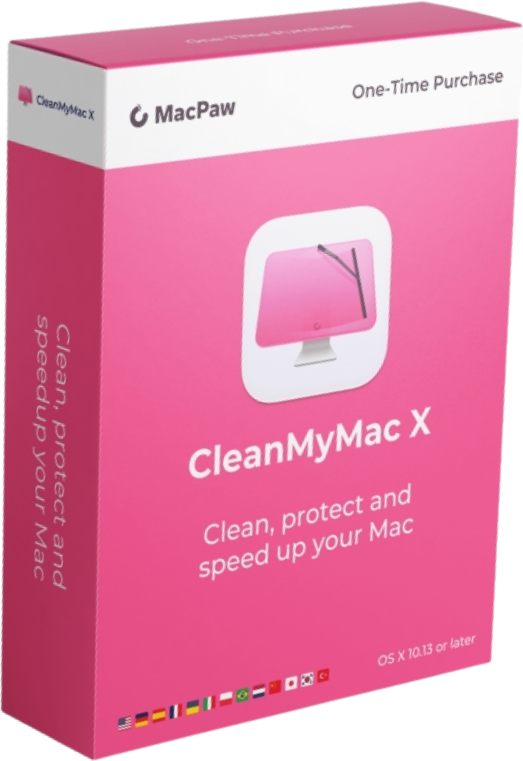
Mac Paw CleanMyMac X - Mac Cleaning and Optimisation Software - Lifetime LicenceCleanMyMac X - Mac Cleaning and Optimisation Software Lifetime Licence Clean, Optimise and Protect Your Mac with CleanMyMac X CleanMyMac X is the best cleaning and optimisation software for Mac, designed to free up disk space, speed up macOS and protect your computer from malware and viruses. Chosen by millions of users worldwide, CleanMyMac X is the professional solution to keep your MacBook, iMac or Mac Mini in perfect condition. Why Choose CleanMyMac X? Deep Cleaning the Mac Remove junk files, system caches, obsolete logs and temporary files that take up valuable disk space. CleanMyMac X can free up tens of gigabytes with a single click, optimising the performance of your Mac. MacOS Performance Optimisation Speed up your Mac by eliminating applications that start automatically, unnecessary background processes and scripts that slow down the system. Ideal for Slow Mac or with performance problems. Antivirus and Antimalware Protection Full scan to detect and remove Mac viruses, adware, spyware and ransomware . Constantly updated database to protect your device from the latest cyber threats. Complete Uninstallation of Applications It completely removes unwanted apps along with all residual files, extensions and hidden preferences that other uninstallation methods leave on the system. Main features of CleanMyMac X ✓ Smart Scan - Automatic scanning that analyses cleanliness, protection and speed ✓ Freeing Disk Space - Finds and removes duplicate files, heavy email attachments and forgotten downloads ✓ Software Update - Keep all your applications up-to-date from a single interface ✓ System Monitoring - Menu bar widget to check CPU, RAM, battery and disk space in real time ✓ MacOS maintenance - Automatic scripts to optimise databases, repair permissions and free RAM ✓ Privacy and Security - Delete browsing history, cookies and digital traces Compatibility and Requirements Operating System macOS 10.13 High Sierra or later Compatible with : MacBook Air, MacBook Pro, iMac, Mac Mini, Mac Studio, Mac Pro Support macOS Sonoma, Ventura, Monterey, Big Sur, Catalina, Mojave Certified and Safe CleanMyMac X is Apple Certified with notarised signatures, guaranteeing maximum security and reliability. Developed by MacPaw, a leading Mac software company since 2008. Buy CleanMyMac X - Lifetime Licence Get the CleanMyMac X lifetime licence to protect and optimise your Mac. Available as a single or multi-device version. Updates included and technical support guaranteed. Keywords : Mac cleaning, macOS optimisation, Mac antivirus, free up Mac space, speed up Mac, Mac maintenance software, clean Mac disk, remove Mac malware77,81 £*Shipping: 0,00 £Secure redirect to the provider


-
What do you think of mummification with duct tape?
Mummification with duct tape is not a traditional or historically accurate method of preserving a body. Duct tape is not designed for this purpose and may not effectively prevent decomposition. It is important to respect cultural practices and use proper methods when handling human remains. **
-
What do you think about mummification with duct tape?
Mummification with duct tape seems like a creative and unconventional approach to preserving a body. However, it is not a traditional or scientifically proven method of mummification. The use of duct tape may not provide the same level of preservation and care as the ancient Egyptian mummification process, which involved removing organs and using natural preservatives. It's important to approach the topic with respect for cultural traditions and scientific methods of preservation. **
-
Was mummification in ancient Egypt also a punishment for criminals?
No, mummification in ancient Egypt was not a punishment for criminals. Mummification was a sacred and ritualistic process that was reserved for the elite and those of high social status, such as pharaohs, nobles, and priests. It was believed to be a way to preserve the body for the afterlife and ensure the individual's continued existence in the next world. Criminals and lower-class individuals were typically buried in simpler graves without the elaborate mummification process. **
-
Were Egyptian mummies wealthy before mummification, or could anyone be mummified?
In ancient Egypt, mummification was a practice available to individuals from various social classes, not just the wealthy. While wealthier individuals could afford more elaborate mummification processes and burial goods, mummification was not exclusive to the wealthy. Commoners and individuals of lower social status could also be mummified, although their mummification process and burial would likely be simpler in comparison to those of the wealthy. The belief in the afterlife and the preservation of the body through mummification was an important aspect of Egyptian culture, accessible to a range of individuals in society. **


Were Egyptian mummies rich before mummification, or could anyone be mummified?
In ancient Egypt, mummification was a practice that was primarily reserved for the wealthy and elite members of society. The process of mummification was expensive and time-consuming, involving various rituals and preservation techniques. Therefore, only those who could afford it, such as pharaohs, nobles, and high-ranking officials, were mummified. Common people in ancient Egypt were typically buried in simpler graves without the elaborate mummification process. **
Why were the organs removed during mummification, but not the heart?
The organs were removed during mummification because they were believed to be unnecessary in the afterlife, and the removal also helped to prevent decay. However, the heart was left in place because it was considered to be the center of a person's being and the source of their emotions and intellect. It was believed that the heart would be needed in the afterlife for the individual to be able to speak and think. Therefore, the heart was left intact and preserved in the body during the mummification process. **
Top-Angebote
Products related to Mummification:
-
All Categories Goods LED Solar Security Light Dual Motion Sensor Outdoor Floodlight With LED Technology For Energy Efficient Illumination LED Solar Security Light Dual Motion Sensor Outdoor Floodlight With LED Technology For Energy Efficient IlluminationBrighten your outdoor space with the 1 pcs of 22 LED Solar Security Light, designed for maximum visibility and security. Powered by ecofriendly solar energy, this motion sensor floodlight activates when movement is detected, offering both...63,97 $*Shipping: 0,00 $Secure redirect to the provider
-
Nonin Medical nVision Data Management Software for Oximetry Screening""" nVision SpO2 Data Management Software Nonin's innovation in pulse oximetry has led to the development of an easy oximetry reporting solution nVISION. Designed to provide effortless viewing, professional analysis, report generation and reliable..."441,00 $*Shipping: 0,00 $Secure redirect to the provider
-
What is self-mummification?
Self-mummification, also known as sokushinbutsu, is a process practiced by Buddhist monks in Japan during the 11th to 19th centuries. It involves a strict diet and meditation regimen to eliminate body fat and moisture, followed by being buried alive in a small underground chamber with a breathing tube and bell. The monk would continue meditating until death, at which point the tomb would be sealed. Over several years, the body would naturally mummify due to the lack of moisture and oxygen, resulting in a preserved and revered relic. This practice was believed to demonstrate the monk's spiritual enlightenment and dedication to the path of enlightenment. **
-
What is the difference between mummification and embalming?
Mummification and embalming are both processes used to preserve a body after death, but they have different cultural and historical origins. Mummification is a method of preservation that was practiced in ancient Egypt, where the body was dehydrated and wrapped in linen bandages. Embalming, on the other hand, is a more modern process that involves the use of chemicals to temporarily preserve the body for viewing at a funeral or memorial service. While mummification was associated with religious beliefs and the afterlife in ancient Egypt, embalming is often used in contemporary Western cultures for practical and aesthetic reasons. **
-
What do you think of mummification with duct tape?
Mummification with duct tape is not a traditional or historically accurate method of preserving a body. Duct tape is not designed for this purpose and may not effectively prevent decomposition. It is important to respect cultural practices and use proper methods when handling human remains. **
-
What do you think about mummification with duct tape?
Mummification with duct tape seems like a creative and unconventional approach to preserving a body. However, it is not a traditional or scientifically proven method of mummification. The use of duct tape may not provide the same level of preservation and care as the ancient Egyptian mummification process, which involved removing organs and using natural preservatives. It's important to approach the topic with respect for cultural traditions and scientific methods of preservation. **
Similar search terms for Mummification
-
Mac Paw CleanMyMac X - Mac Cleaning and Optimisation Software - Lifetime LicenceCleanMyMac X - Mac Cleaning and Optimisation Software Lifetime Licence Clean, Optimise and Protect Your Mac with CleanMyMac X CleanMyMac X is the best cleaning and optimisation software for Mac, designed to free up disk space, speed up macOS and protect your computer from malware and viruses. Chosen by millions of users worldwide, CleanMyMac X is the professional solution to keep your MacBook, iMac or Mac Mini in perfect condition. Why Choose CleanMyMac X? Deep Cleaning the Mac Remove junk files, system caches, obsolete logs and temporary files that take up valuable disk space. CleanMyMac X can free up tens of gigabytes with a single click, optimising the performance of your Mac. MacOS Performance Optimisation Speed up your Mac by eliminating applications that start automatically, unnecessary background processes and scripts that slow down the system. Ideal for Slow Mac or with performance problems. Antivirus and Antimalware Protection Full scan to detect and remove Mac viruses, adware, spyware and ransomware . Constantly updated database to protect your device from the latest cyber threats. Complete Uninstallation of Applications It completely removes unwanted apps along with all residual files, extensions and hidden preferences that other uninstallation methods leave on the system. Main features of CleanMyMac X ✓ Smart Scan - Automatic scanning that analyses cleanliness, protection and speed ✓ Freeing Disk Space - Finds and removes duplicate files, heavy email attachments and forgotten downloads ✓ Software Update - Keep all your applications up-to-date from a single interface ✓ System Monitoring - Menu bar widget to check CPU, RAM, battery and disk space in real time ✓ MacOS maintenance - Automatic scripts to optimise databases, repair permissions and free RAM ✓ Privacy and Security - Delete browsing history, cookies and digital traces Compatibility and Requirements Operating System macOS 10.13 High Sierra or later Compatible with : MacBook Air, MacBook Pro, iMac, Mac Mini, Mac Studio, Mac Pro Support macOS Sonoma, Ventura, Monterey, Big Sur, Catalina, Mojave Certified and Safe CleanMyMac X is Apple Certified with notarised signatures, guaranteeing maximum security and reliability. Developed by MacPaw, a leading Mac software company since 2008. Buy CleanMyMac X - Lifetime Licence Get the CleanMyMac X lifetime licence to protect and optimise your Mac. Available as a single or multi-device version. Updates included and technical support guaranteed. Keywords : Mac cleaning, macOS optimisation, Mac antivirus, free up Mac space, speed up Mac, Mac maintenance software, clean Mac disk, remove Mac malware77,81 £*Shipping: 0,00 £Secure redirect to the provider
-
HARPERCOLLINS Creative Confidence by Tom & David Kelley – Unleashing Your Creative Potential & Innovation MindsetA powerful and inspiring book from the founders of IDEO, the award-winning design firm, on unleashing the creativity that lies within each and every one of us. Too often, companies and individuals assume that creativity and innovation are the domain of the ‘creative types’. But two of the foremost experts in innovation, design and creativity on the planet show us that each and every one of us is creative. In an entertaining and inspiring narrative that draws on countless stories from their work at IDEO, and with many of the world's top companies and design firms, David and Tom Kelley identify the principles and strategies that will allow us to tap into our creative potential in our work lives, and in our personal lives, allow us to think outside the box in terms of how we approach and solve problems. ‘Creative Confidence’ is a book that will help each of us be more productive and successful in our lives and in our careers.4,95 £*Shipping: 1,99 £Secure redirect to the provider
-
Was mummification in ancient Egypt also a punishment for criminals?
No, mummification in ancient Egypt was not a punishment for criminals. Mummification was a sacred and ritualistic process that was reserved for the elite and those of high social status, such as pharaohs, nobles, and priests. It was believed to be a way to preserve the body for the afterlife and ensure the individual's continued existence in the next world. Criminals and lower-class individuals were typically buried in simpler graves without the elaborate mummification process. **
-
Were Egyptian mummies wealthy before mummification, or could anyone be mummified?
In ancient Egypt, mummification was a practice available to individuals from various social classes, not just the wealthy. While wealthier individuals could afford more elaborate mummification processes and burial goods, mummification was not exclusive to the wealthy. Commoners and individuals of lower social status could also be mummified, although their mummification process and burial would likely be simpler in comparison to those of the wealthy. The belief in the afterlife and the preservation of the body through mummification was an important aspect of Egyptian culture, accessible to a range of individuals in society. **
-
Were Egyptian mummies rich before mummification, or could anyone be mummified?
In ancient Egypt, mummification was a practice that was primarily reserved for the wealthy and elite members of society. The process of mummification was expensive and time-consuming, involving various rituals and preservation techniques. Therefore, only those who could afford it, such as pharaohs, nobles, and high-ranking officials, were mummified. Common people in ancient Egypt were typically buried in simpler graves without the elaborate mummification process. **
-
Why were the organs removed during mummification, but not the heart?
The organs were removed during mummification because they were believed to be unnecessary in the afterlife, and the removal also helped to prevent decay. However, the heart was left in place because it was considered to be the center of a person's being and the source of their emotions and intellect. It was believed that the heart would be needed in the afterlife for the individual to be able to speak and think. Therefore, the heart was left intact and preserved in the body during the mummification process. **
* All prices are inclusive of VAT and, if applicable, plus shipping costs. The offer information is based on the details provided by the respective shop and is updated through automated processes. Real-time updates do not occur, so deviations can occur in individual cases. ** Note: Parts of this content were created by AI.